Introduction
Reiki is an effective kind of energy recovery that has gained appeal in recent years. With its roots in ancient Japanese practices, Reiki provides a holistic technique to healing physical and psychological pain. By directing favorable energy through the hands, Reiki professionals aim to bring back balance and promote overall well-being. In this short article, we will check out the history of Reiki, the various levels of training, the different hand positions and signs utilized in Reiki, and the extensive impact it can have on both physical and psychological health.
The History of Reiki
Origins in Japan
Reiki was developed in the early 20th century by Mikao Usui, a Japanese Buddhist monk. Usui sought to find a way to recover and help others without depleting his own energy reserves. Through meditation and spiritual practices, he found a technique of harnessing universal life force energy and transferring it to others through his hands. This became called Reiki.
Spread to the West
Reiki remained reasonably unidentified outside of Japan up until the mid-1900s when Hawayo Takata, a Japanese-American woman, brought it to Hawaii. She went through extensive training with a Reiki master in Japan before returning to share her knowledge with others. Ever since, Reiki has actually spread across the globe and has become commonly practiced in Western countries.
Modern Adaptations
Over time, various branches and designs of Reiki have emerged, each with its own distinct technique. Some practitioners focus primarily on physical recovery, while others incorporate elements of spirituality or emotional wellness into their practice. Despite the particular style, all forms of Reiki share the common objective of using energy to promote healing.
The Power of Reiki Energy
Reiki energy is believed to stream through the hands of practitioners and into the body of the recipient. This energy is said to have a profound effect on the physical, psychological, and spiritual wellness of people. By removing energy clogs and stimulating the body's natural recovery procedures, Reiki can assist reduce discomfort, decrease tension, and enhance overall vitality.
How Reiki Works
Reiki runs on the principle that all living beings are made up of energy. When this energy becomes imbalanced or obstructed, it can result in physical or psychological disorders. Throughout a Reiki session, the remote healer jobs practitioner utilizes their hands to send favorable energy to the recipient. This energy works to bring back balance and eliminate blockages, permitting the body to heal itself naturally.
The Role of Intention
Intention plays an important function in Reiki practice. Practitioners must approach each session with a genuine desire to help and heal others. By setting favorable intentions and focusing https://app.gumroad.com/mandascott0/p/the-art-of-energy-work-how-to-channel-and-manipulate-energy-for-recovery-e85badac-d375-4db2-80e8-7b6f8c1f0f59 their energy on promoting well-being, practitioners can boost the efficiency of Reiki treatments.
The Healing Power of Touch
The power of touch must not be undervalued when it pertains to recovery. Human touch has been shown to have numerous physical and emotional benefits, consisting of reducing pain, promoting relaxation, and improving mood. In a Reiki session, the mild touch of the practitioner's hands can supply convenience and assistance while helping with the flow of recovery energy.
Reiki Training Levels
Reiki Level 1: The Foundation
Reiki training is usually divided into three levels or degrees. At Level 1, trainees discover the standard principles and strategies of Reiki healing. They are attuned to the energy and taught hand positions for self-healing and treating others.
Reiki Level 2: Deepening Practice
At Level 2, students deepen their understanding and broaden their abilities. They learn more about using symbols in Reiki healing and how to carry out range recovery. This level permits professionals to deal with clients who are not physically present.
Reiki Level 3: Master Level
The Master Level is the greatest level of Reiki training. At this stage, students become Reiki masters and can teach and attune others to the energy. They acquire a much deeper understanding of the spiritual aspects of Reiki and might select to concentrate on particular areas, such as animal Reiki or Reiki for children.
Reiki Hand Positions
Treating Specific Areas
During a Reiki session, professionals utilize specific hand positions to carry energy to different parts of the body. These hand positions are created to target areas that may be experiencing pain or pain. By directing energy to these locations, practitioners can help minimize symptoms and promote healing.
Full Body Treatment
In addition to targeting specific areas, Reiki likewise includes a complete body treatment. This includes putting the hands on or simply above different parts of the body in a methodical way. The specialist will move their hands from head to toe, guaranteeing that energy is streaming easily throughout the entire body.
Reiki Symbols
Symbolic Power
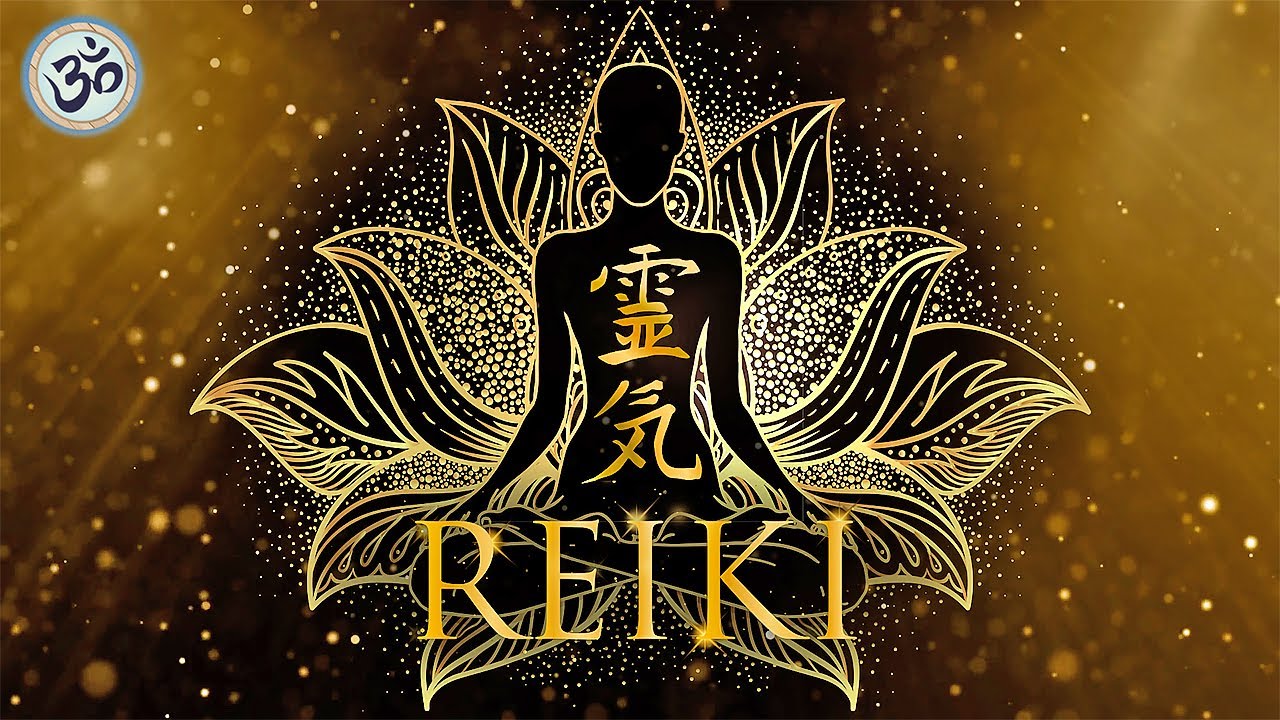
Reiki signs are an integral part of the practice and hold considerable meaning and power. These symbols act as secrets that open particular elements of the universal life force energy and enhance its recovery homes. Each sign has its own unique purpose and can be utilized in various ways during a Reiki session.
The Power Symbol
One of the most typically used symbols in Reiki is the Power Sign, likewise known as Cho Ku Rei. This sign is utilized to increase the power of Reiki energy and make it more reliable. It can be drawn with the hands or visualized psychologically throughout a treatment.
The Mental/Emotional Symbol
The Mental/Emotional Symbol, also called Sei He Ki, is used particularly for psychological recovery. It assists release negative feelings, trauma, and mental obstructions by promoting balance and consistency within the mind.
The Distant Recovery Symbol
The Remote Recovery Symbol, or Hon Sha Ze Sho Nen, is utilized to send Reiki energy throughout time and area. It permits professionals to perform distance recovery sessions, making Reiki accessible to those who are unable to be physically present.
The Emotional Benefits of Reiki
Stress Reduction
Reiki has been shown to be effective in decreasing stress levels. By promoting relaxation and releasing stress, it assists people accomplish a state of calm and serenity. This can have a profound impact on emotional wellness, permitting people to much better handle day-to-day obstacles and pressures.

Easing Stress and anxiety and Depression
Anxiety and depression prevail mental health conditions that can greatly impact a person's lifestyle. Reiki offers a mild yet powerful technique to reducing symptoms of these conditions. By rebalancing energy and promoting psychological healing, Reiki can assist individuals find remedy for anxiety and depression.
Supporting Emotional Release
Emotional injury and unsettled problems can manifest as physical pain or disease. Reiki offers a safe space for individuals to launch bottled-up emotions and heal psychological wounds. Through its gentle yet transformative energy, Reiki supports the process of emotional release, enabling individuals to progress with higher clearness and peace.
Frequently Asked Questions (FAQs)
What is the history of Reiki?- Reiki came from Japan in the early 20th century and was developed by Mikao Usui, a Buddhist monk.
- Reiki energy works by directing positive energy through the hands of practitioners into the body of the recipient, promoting healing on physical, psychological, and spiritual levels.
- Reiki training is divided into three levels: Level 1 (structure), Level 2 (deepening practice), and Level 3 (master level).
- Reiki hand positions specify placements of the hands on or simply above different parts of the body to transport energy and promote healing.
- Reiki symbols are powerful tools used to enhance the healing residential or commercial properties of Reiki energy. Each sign has a specific function and can be utilized during a treatment.
- Yes, Reiki can aid with emotional discomfort by promoting psychological release, decreasing tension, and supporting general psychological well-being.
Conclusion
The recovery touch of Reiki energy can have an extensive impact on both physical and psychological pain. By taking advantage of the universal life force energy and funneling it through their hands, Reiki professionals offer a holistic technique to recovery. Whether it's alleviating physical conditions or providing assistance for emotional well-being, Reiki has the prospective to soothe discomfort and restore balance in our lives. Through its rich history, varied training levels, particular hand positions, and powerful signs, Reiki offers a special and transformative path towards recovery and self-discovery. So why not explore the healing power of Reiki for yourself?